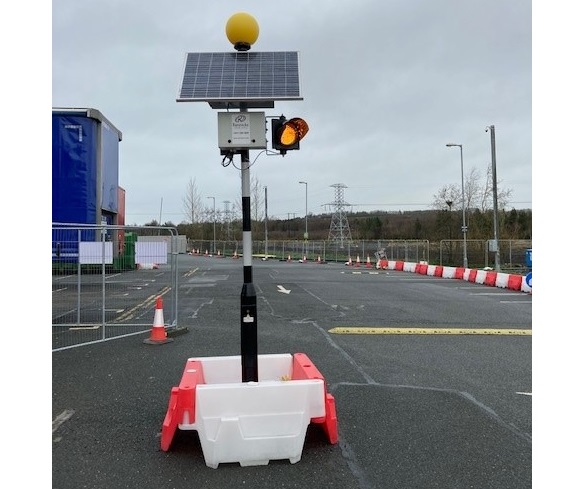
The system consists of two solar powered belisha pedestrian crossing beacons installed by John Sisk and Son Ltd as part of traffic management plan measures.
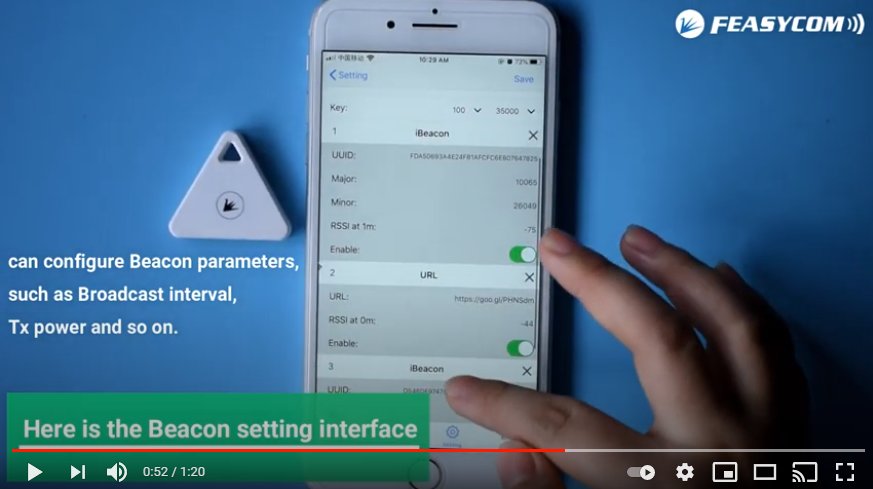
Each belisha beacon has a Bluetooth transmitter advertising iBeacon. This allows parameters such as the battery voltage, discharge current and the beacon’s unique ID (UID) to be obtained and controlled remotely using an app.
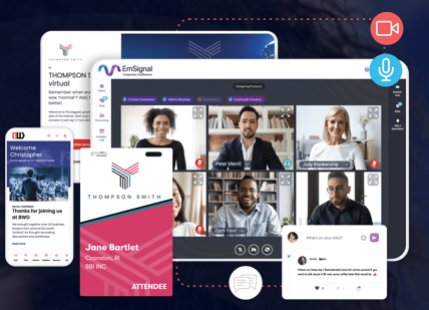
As real, physical events come back after the pandemic, systems like Aventri will become useful once again. Aventri is an app-based event and conference guide that increases engagement and provides real-time event performance insights.
iBeacons can be used to trigger an automated message when a user is in range of a booth or other conference location. They can also be used to implicitly measure foot traffic at particular points. It’s also possible to generate lists of who visited each booth.
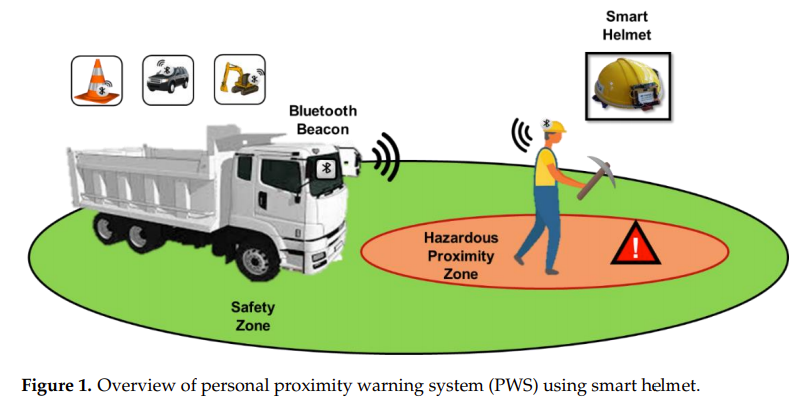
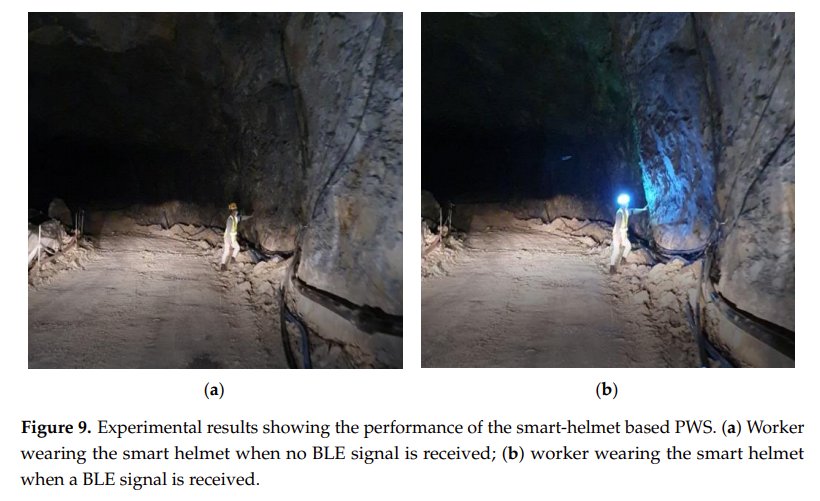
The system involves a smart helmet worn by walking workers that picks up Bluetooth beacons attached to heavy equipment, vehicles or placed in dangerous zones. The aim is to prevent collisions between equipment and pedestrians in mines.
The bidirectional proximity warnings provide visual proximity alerts that reduce worker mental effort and stress and help to free the hands of workers to maintain work efficiency.
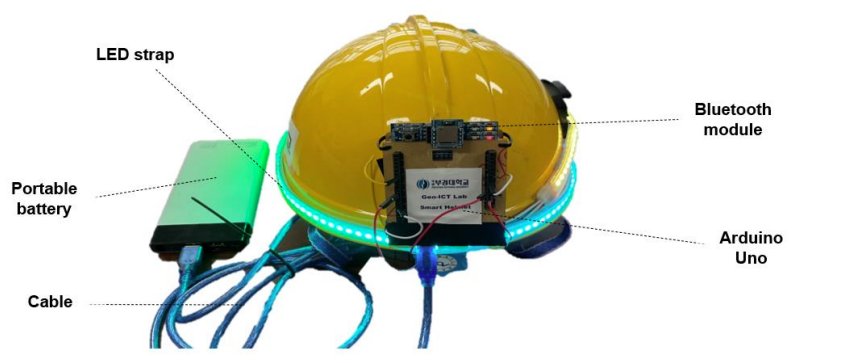
The system uses an Arduino Uno board with Bluetooth BLE module within the helmet. Visual warnings are provided using LED straps.
The use of Bluetooth for proximity safety warnings isn’t new. We have come across similar concepts in power stations and factories where fixed smart lights and/or apps, rather than smart-helmets, are used to improve proximity safety, particularly near blind corners or hazardous areas. We also have clients re-purposing social distancing beacons to provide for simpler systems that warn workers of proximity to vehicles.
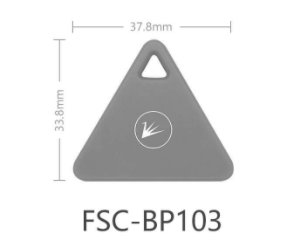
The FSC-BP103 is popular for use on a key ring or lanyard due to its small size (37.8mm x 33.8mm x 7.9 mm).
It’s also relatively inexpensive allowing it to be rolled out to a large number of people. For example, we have London Queen Mary University Barts Cancer Institute using this beacon with BeaconRTLS to audit room occupancy for Covid. The button is also used as an SOS in the case of lone working.
Many of our suppliers have notified us the current global shortage of chips is starting to hit the Beacon ecosystem. While there isn’t currently a shortage of beacons, semiconductor prices are causing Bluetooth beacon prices to increase.
Factories are having to plan the purchase of components 6-12 months ahead rather than buy just in time. If components don’t arrive in time, they have to be purchased last minute on the more expensive spot market.
Stocks we already have in the UK won’t increase in price until we re-stock. We are experiencing special and custom orders being higher in price and/or having longer lead times, depending on the manufacturer. This is a short term problem for 2021 and 2022. Some in the industry predict it could be two years before new manufacturing facilities can ease supply concerns.
Avoid the libraries produced by the beacon manufacturers. They tend to add little value, are usually poorly documented and aren’t changed when there are updates to underlying Android libraries. You can achieve everything with the Android APIs. The only exception is connecting via GATT to Sensoro beacons where the Service/Characteristic information isn’t publicly available and hence you have to use their SDK.
We are starting to see the first beacons and gateways that truly support Bluetooth 5 even though the standard was released in 2016. Up to recently, some have claimed to support Bluetooth 5 in that the internal hardware and software (SDK) was Bluetooth 5 capable but most, if not all, of the Bluetooth 5 features weren’t available.
Compatibility is dependent on smartphones supporting Bluetooth 5 that has also only come to fruition with recent phone models. Most Android smartphones manufactured in the last few years use Android 10 or Android 11 that has Bluetooth 5 software support. However, the Bluetooth chip inside the smartphone also needs to support Bluetooth 5. On iOS, all including and after iPhone 8/8 Plus/iPhone X support Bluetooth 5.
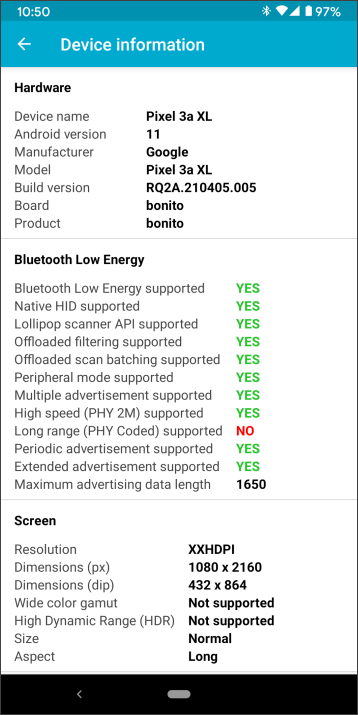
Furthermore, there’s also the complication that Smartphones claim to be Bluetooth 5 capable but might not support many of the optional features. One way to test which features are supported is to use the Nordic Semiconductor nRF Connect app. Here’s an example from the ‘Device Information’ section of the app running on a Pixel 3a XL:
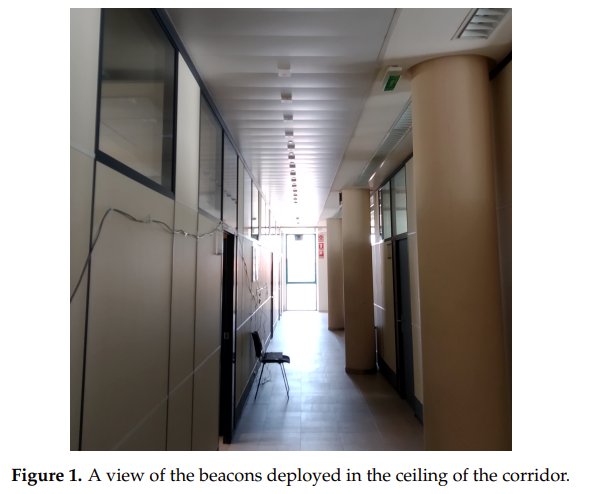
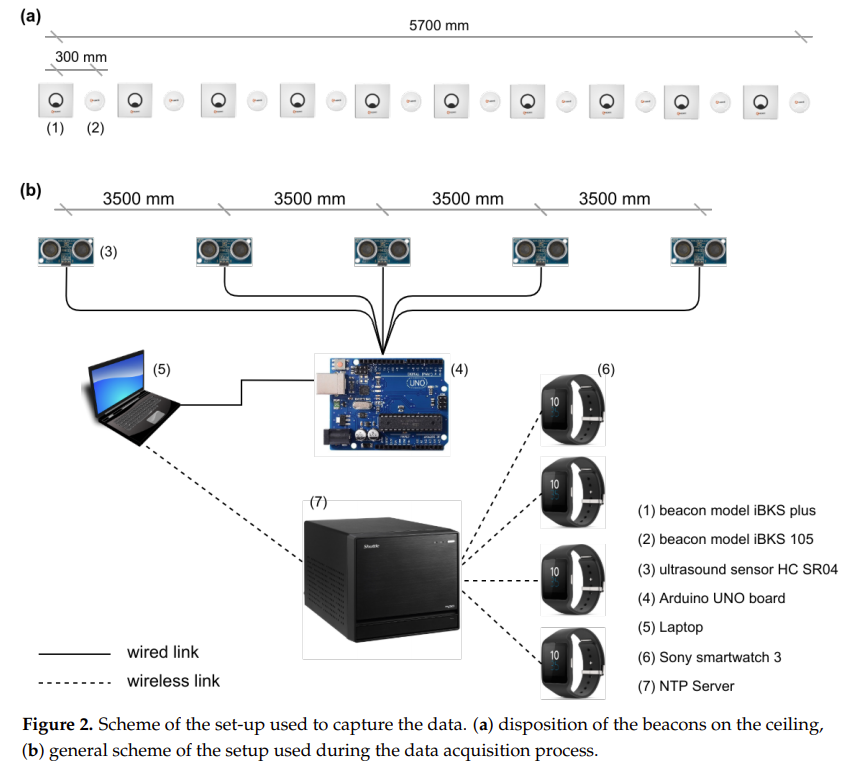
There’s recent research into using Bluetooth beacons to measure human gait speed. The ability to walk can be used as a core indicator of health in aging and disease. For example, it can enable early detection of cognitive diseases such as dementia or Alzheimer’s disease.
device: A four-character descriptor for the smartwatch that performed the scan.
timestamp: The time stamp at which the scan was received.
user: The id of the user that was performing the experiment.
direction: A number (0 or 1) indicating the direction of the walk.
walk_id: A number that identifies each walk.
speed: The actual speed of the user, in $m/s$.
It database contains RSSI measurements from different wearable devices and different BLE beacons, corresponding to 382 walks performed by 13 actors. The open source code used is available on GitHub.
Flutter is a UI software development platform created by Google used to develop cross platform applications for Android and iOS.
There’s a recent plugin flutter_beacon that scans for beacons and can also act as a transmitter. It supports Android API 18+ and iOS 8+. Features include permission management, iBeacon ranging, iBeacon monitoring and transmitting as iBeacon. This plugin is open source on Github.