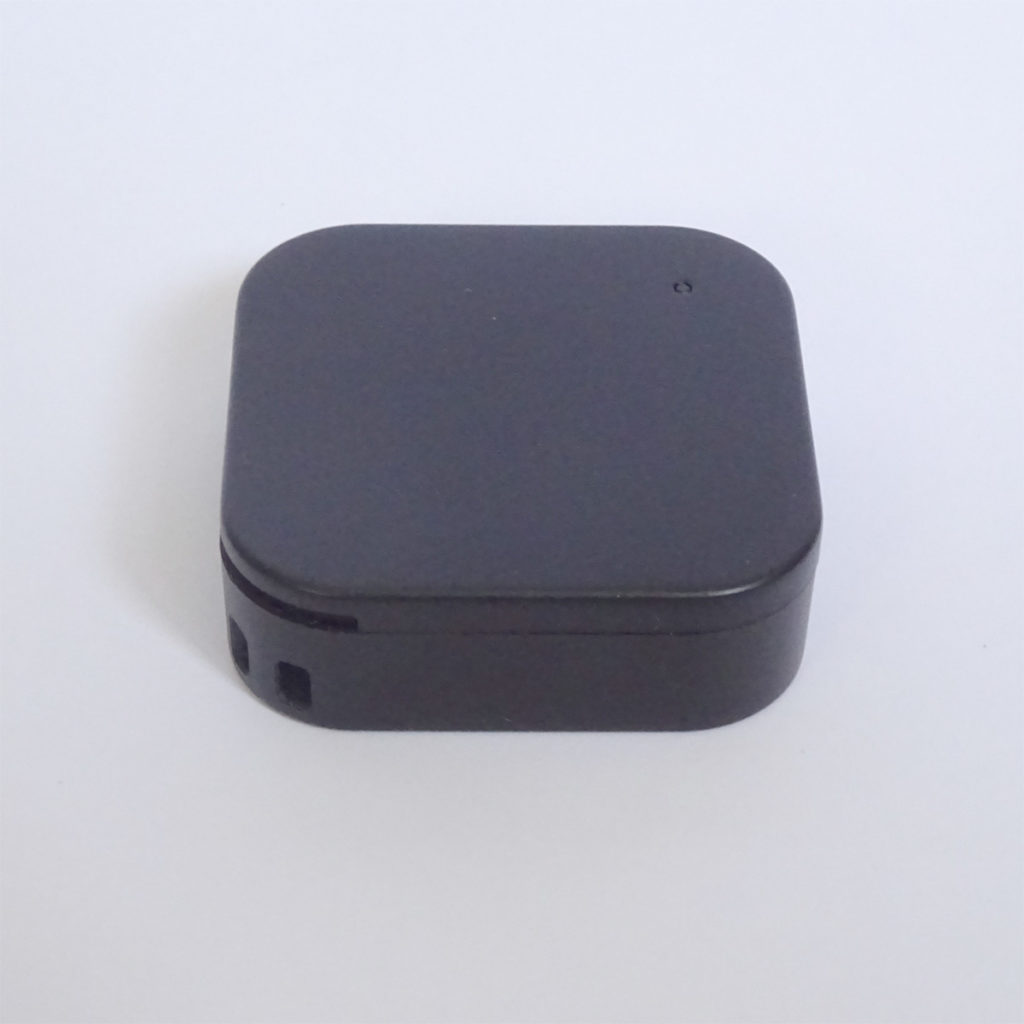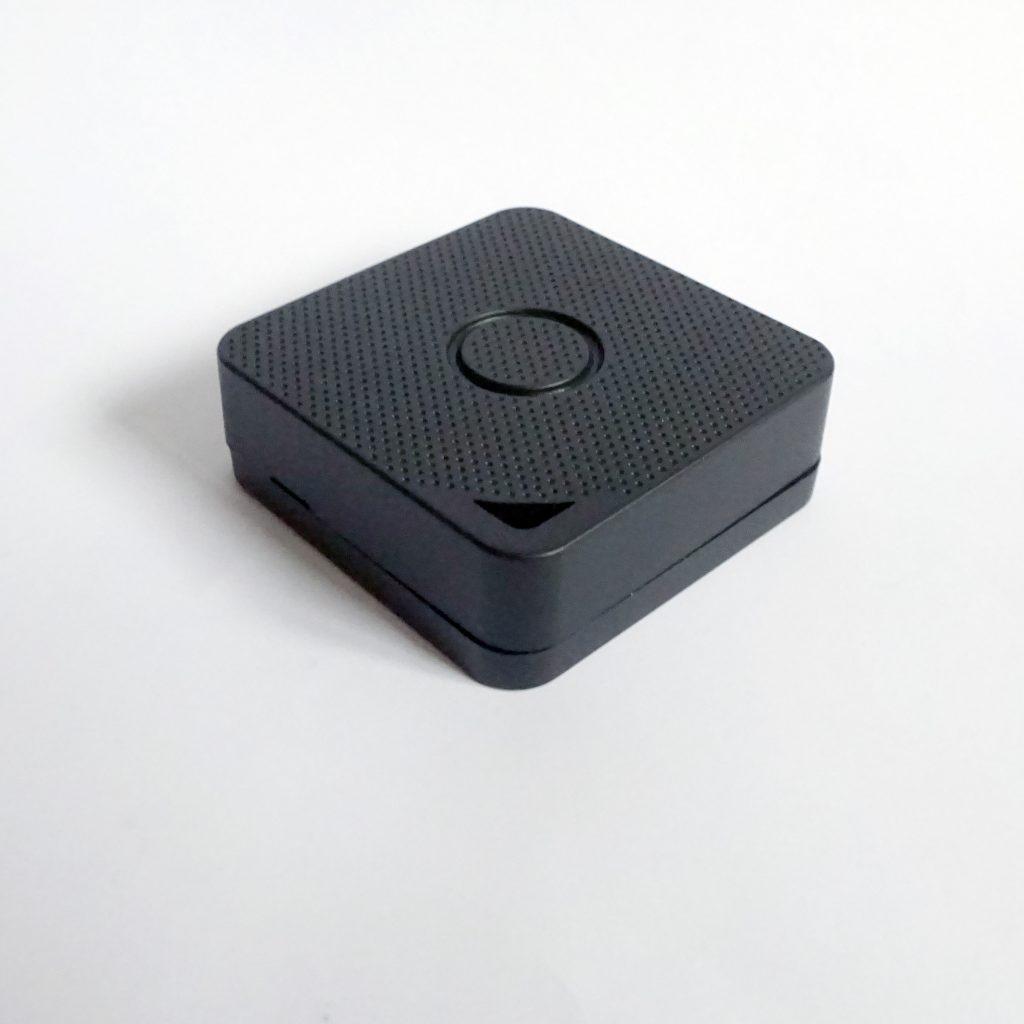
Many sensor beacons contain accelerometers that measure movement along the x, y and z axes. These values can be included in the beacon’s advertising data and received by a smartphone, gateway or another Bluetooth-enabled device, such as a single-board computer.
Beacons transmit advertising packets at a predefined interval. Depending on the device and its configuration, this interval is typically between 100 milliseconds and 10 seconds. An important question is what happens to the accelerometer data between these advertising events. Is the data averaged, stored or simply lost?
A key characteristic of battery-powered beacons is that they transmit for only a very short period, typically one or two milliseconds, before returning to sleep to conserve power. They do not normally continue processing or storing accelerometer readings while asleep, as doing so would significantly reduce battery life.
As a result, the x, y and z values included in an advertising packet represent the acceleration measured at, or very close to, the time of transmission. Movement occurring between advertising events is not averaged or retained.
To reduce the likelihood of missing an important movement feature, the shortest available advertising interval should be used, which is often around 100 milliseconds. However, even at this rate, movement events lasting less than 100 milliseconds cannot be detected reliably because they may sometimes occur between two advertising transmissions.