Using Bluetooth Sensor Beacons for AI Machine Learning

Sensor beacons provide a quick and easy way to obtain data for AI machine learning. They provide a way of measuring physical processes to provide for detection and prediction.
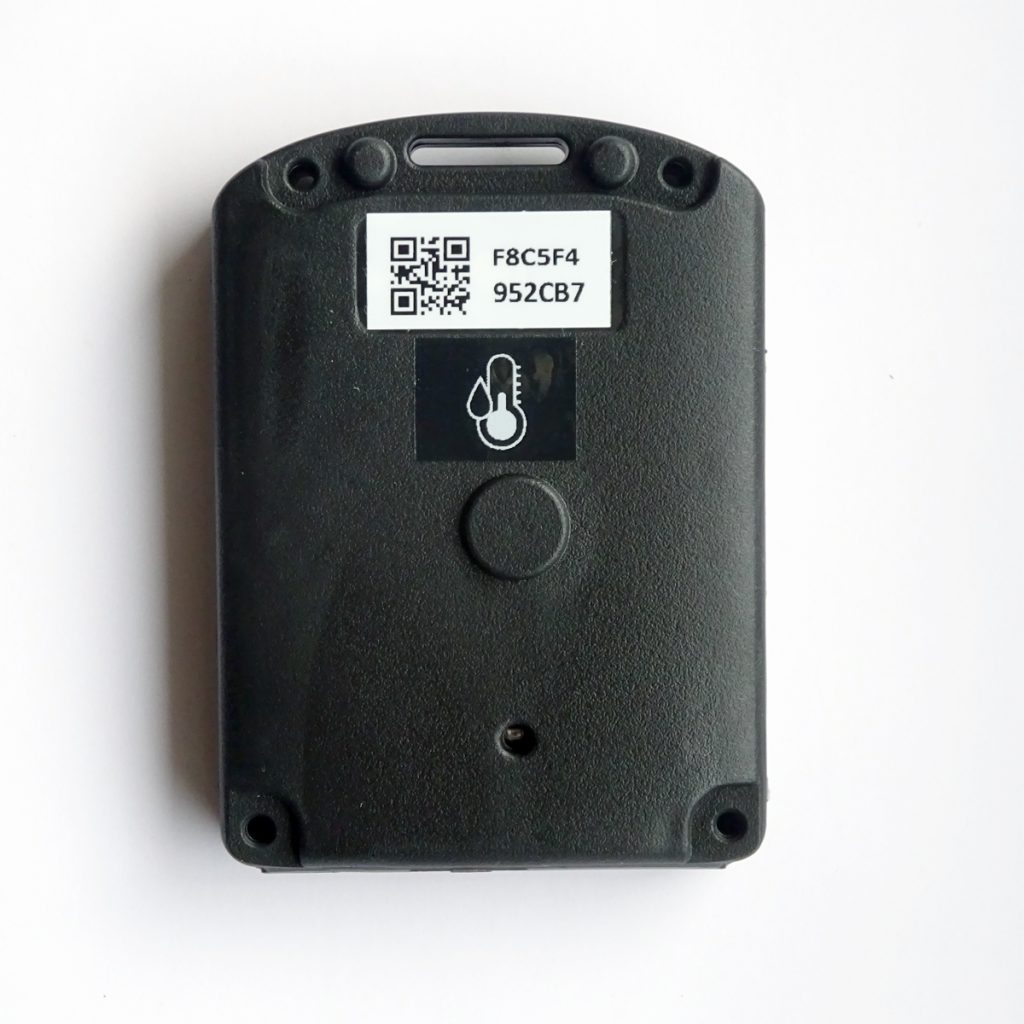
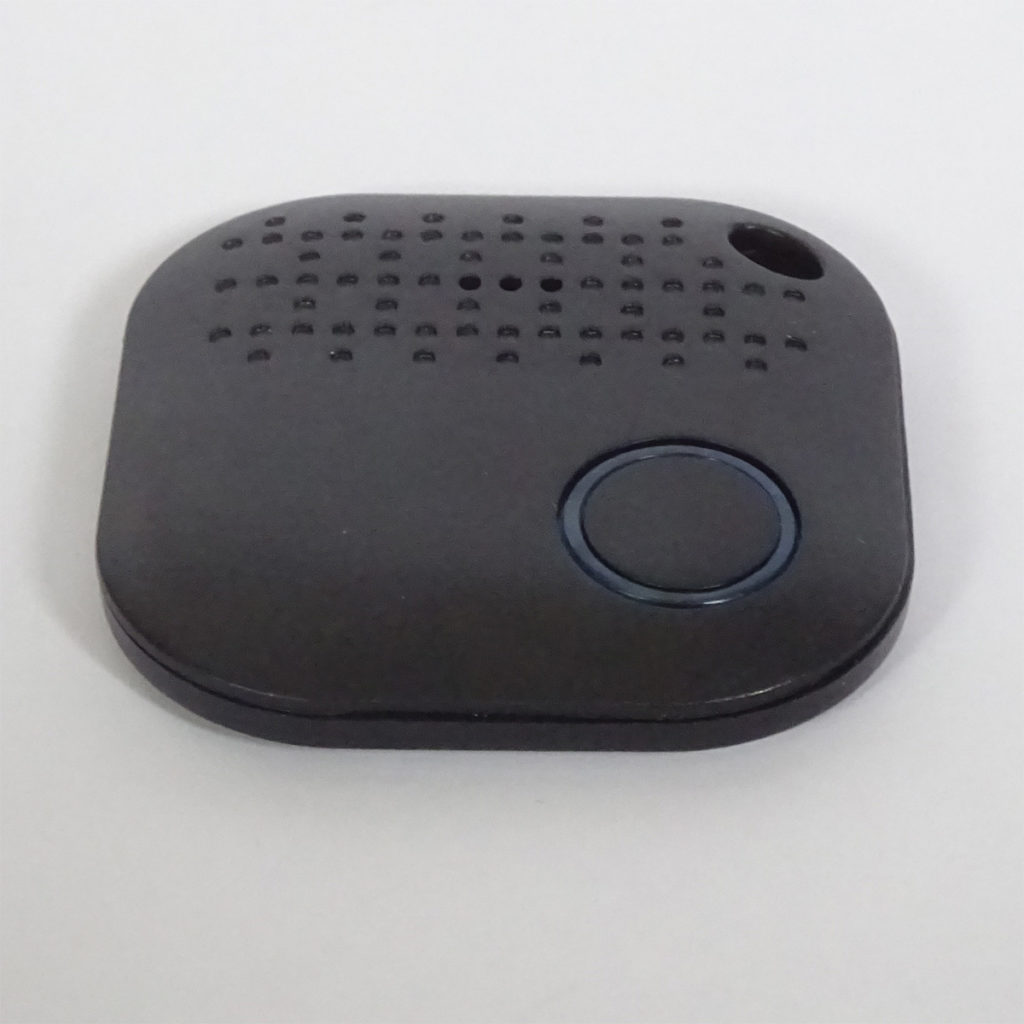
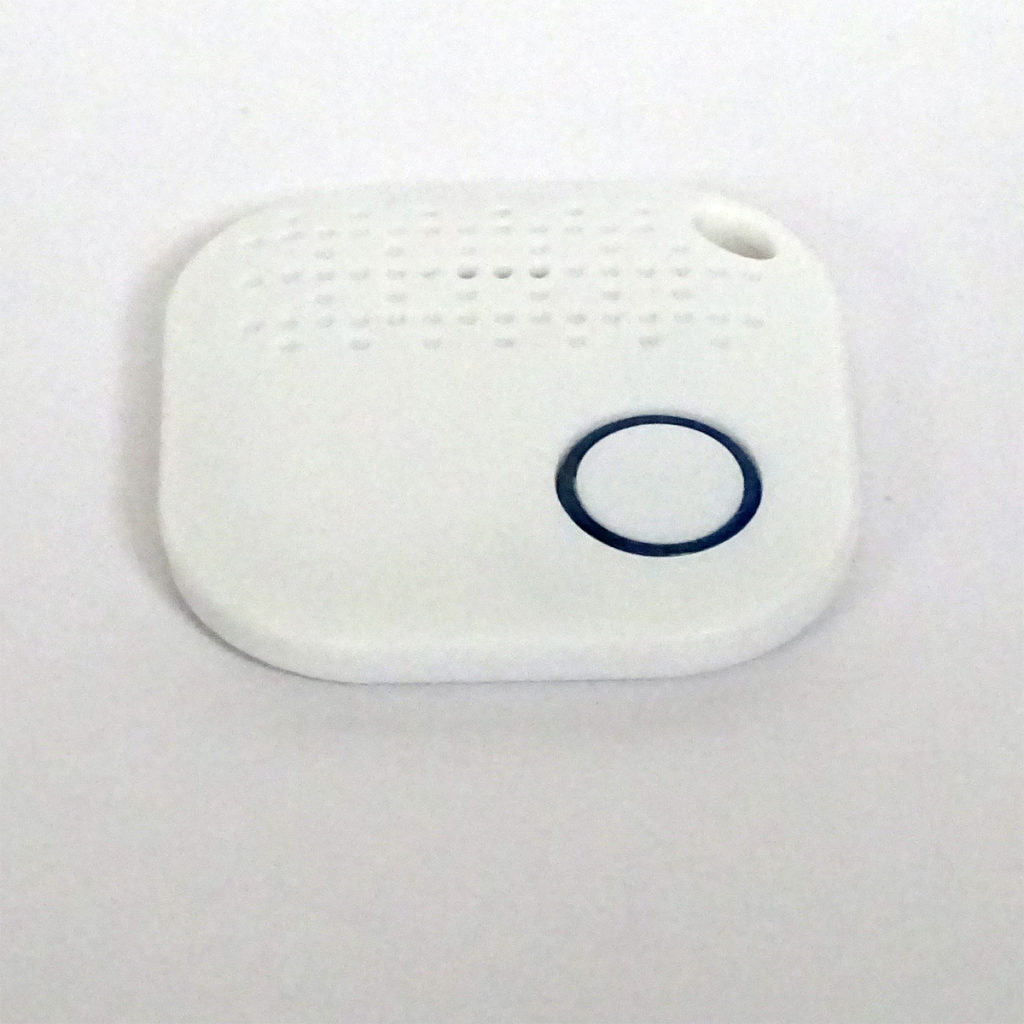
Beacon Temperature Sensor

Beacons detect movement (accelerometer), movement (started/stopped moving), button press, temperature, humidity, air pressure, light level, open/closed (magnetic hall effect), proximity (PIR), proximity (cm range), fall detection, smoke and natural gas. The open/closed (magnetic hall effect) is particularly useful as it can be used on a multitude of physical things for scenarios that require digitising counts, presence and physical status.

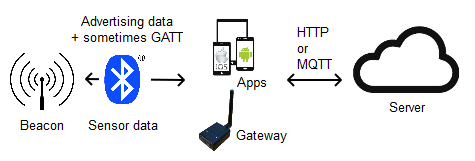
The data is sent via Bluetooth rather than via cables which means there’s no soldering or physical construction. The Bluetooth data can be read by smartphones, gateways or any devices that have Bluetooth LE. From there it can be stored in files for reading into machine learning.

Such data is often complex and it’s difficult for a human to devise a conventional programming algorithm to extract insights. This is where AI machine learning excels. In simple terms, it reads in recorded data to find patterns in the data. The result of this learning is a model. The model is then used during inference to classify or predict situations based on new incoming data.
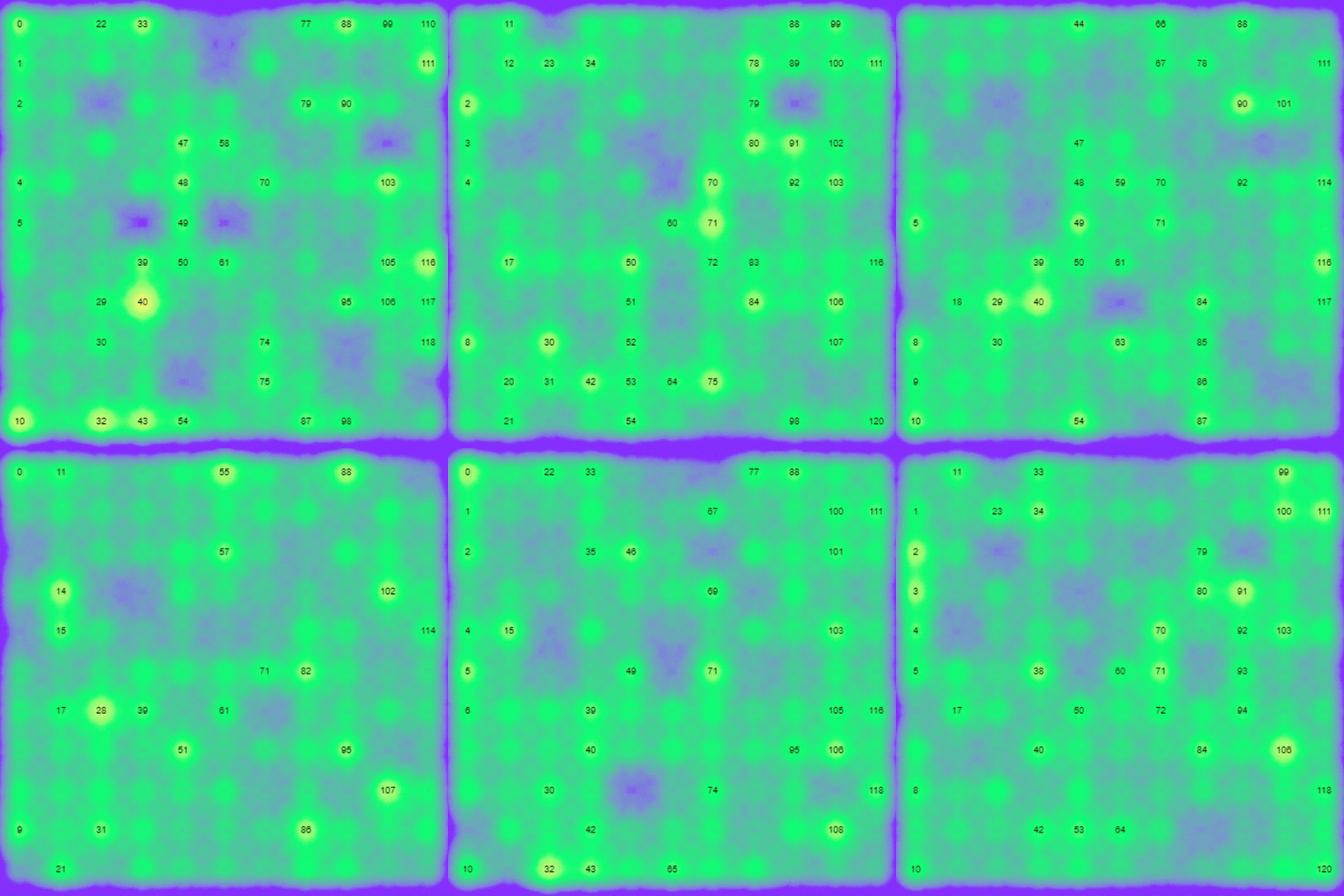
The above shows some output from accelerometer data fed into one of our models. The numbers are distinct features found over the time series as opposed to a single x,y,z sample. For example ’54’ might be a peak and ’61’ a trough. More complex features are also detectable such as ‘120’ being the movement of the acceleration sensor in a circle. This is the basis for machine learning classification and detection.

It’s also possible to perform prediction. Performing additional machine learning (yes, machine learning on machine learning!) on the features to produce a new model tells us what usually happens after what. When we feed in new data to this model we can predict what is about to happen.

The problem with sensor data is there can be a lot of it. It’s inefficient and slow to detect events when this processing at the server. We create so called Edge solutions that do this processing closer to the place of detection.
Read more about SensorCognition

Easy IoT with Bluetooth Beacons

When people think about IoT sensors they tend to envisage, for experimenters, discrete electronic components connected to single board computers (SBC) or for industrial, custom sensors connected to microcontrollers.

The problem for experimenters is the solution is fragile and needs to be evolved into a custom electronic design before it can be used in production. For industrial solutions, they tend to be proprietary, require deeply invasive installation and very expensive.

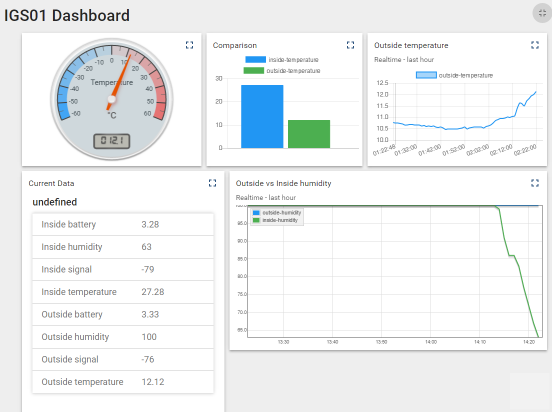
Example IoT Dashboard Using Sensor Beacons

Sensor beacons provide an easy, ready-made solution that have the following advantages:

  • They provide a solution that’s equally as good for experimentation as it is for the final production
  • They require no soldering or electronics skills.
  • They can be placed in remote areas where there’s no power or network connectivity.
  • They can be self powered and last for 5+ years.
  • They can detect quantities such as position, movement, temperature, humidity, air pressure, light and magnetism (hall effect), proximity and heart rate.
  • They can be easily attached to existing to exiting assets to make them IoT enabled.
  • Being Bluetooth standards-based, the sensor data can be easily read via gateways, smartphone apps or single board computers and sent on, as necessary, to servers.
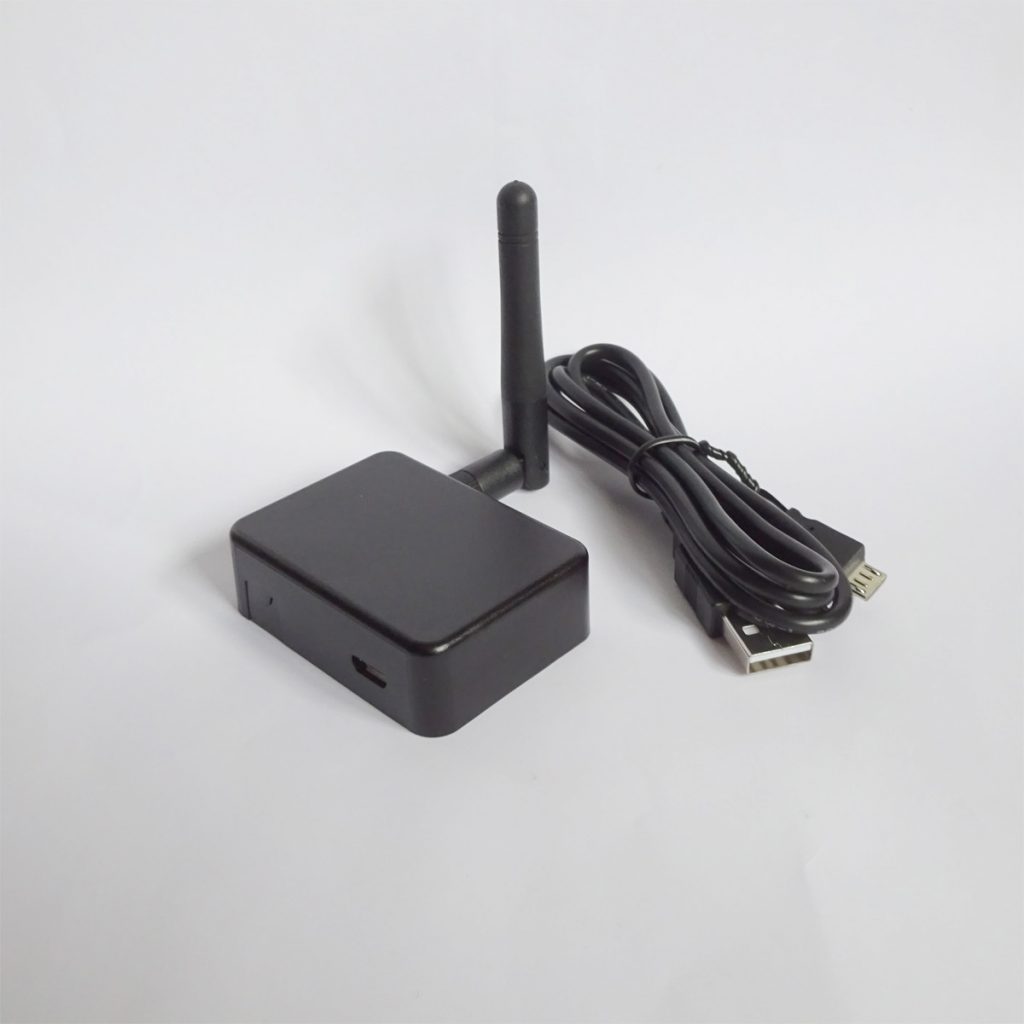
Bluetooth-WiFi Gateway

Using beacons sensors in this way also provides for the ‘big data’ required for AI machine learning.

Read more about Beacon Proximity and Sensing for the Internet of Things (IoT)

View Sensor Beacons

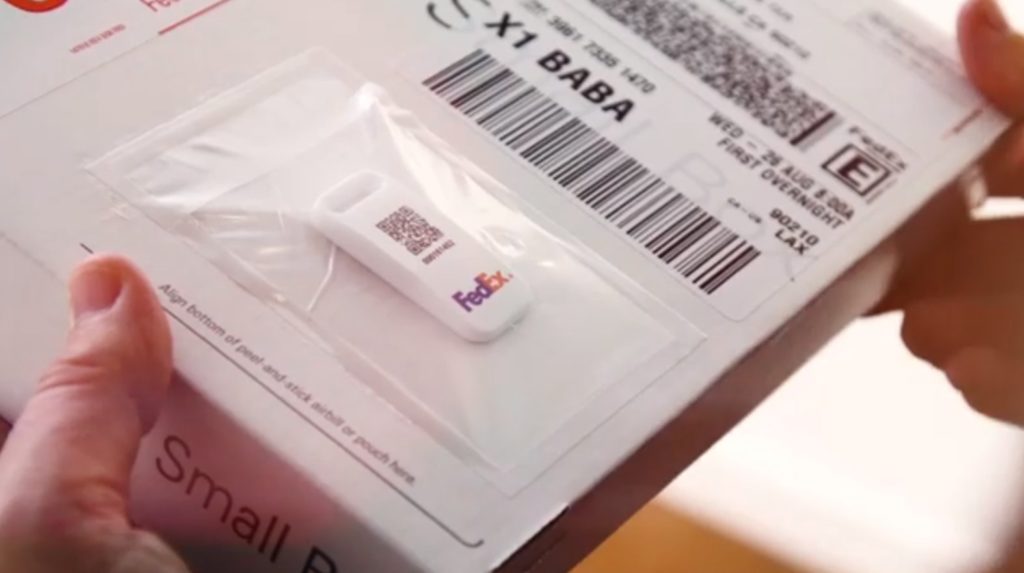
FedEx SenseAware Beacon

FedEx has started to use Bluetooth sensor beacons to track packages. The SenseAware ID device provides more frequent location updates and temperature, humidity and vibration data for premium packages.

SenseAware ID is part of the FedEx SenseAware offering that has previously used devices with cellular technologies. SenseAware ID devices are instead detected by gateways at UPS sites.

View sensor beacons

View gateways

Using iBeacon for Sensing in Viticulture

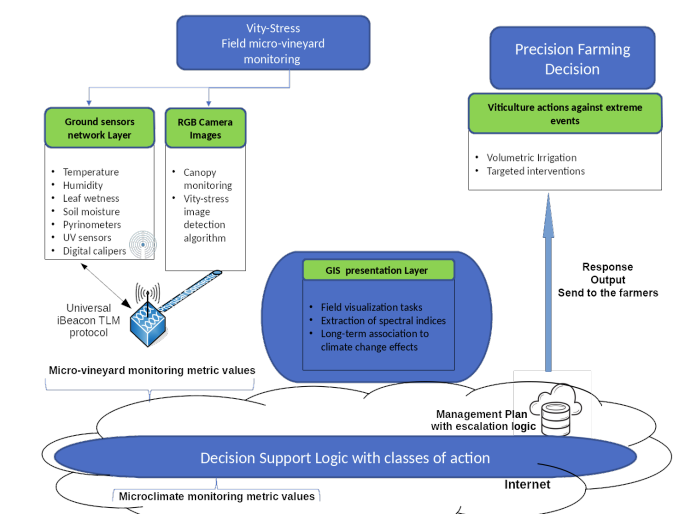
There’s new research by Sotirios Kontogiannis and Christodoulos Asiminidis of University of Ioannina, Greece on A Proposed Low-Cost Viticulture Stress Framework for Table Grape Varieties.

The system automatically monitors vine stress to provide real-time surveillance and alerts. It identifies specific areas for irrigation, thereby saving water, energy and time.

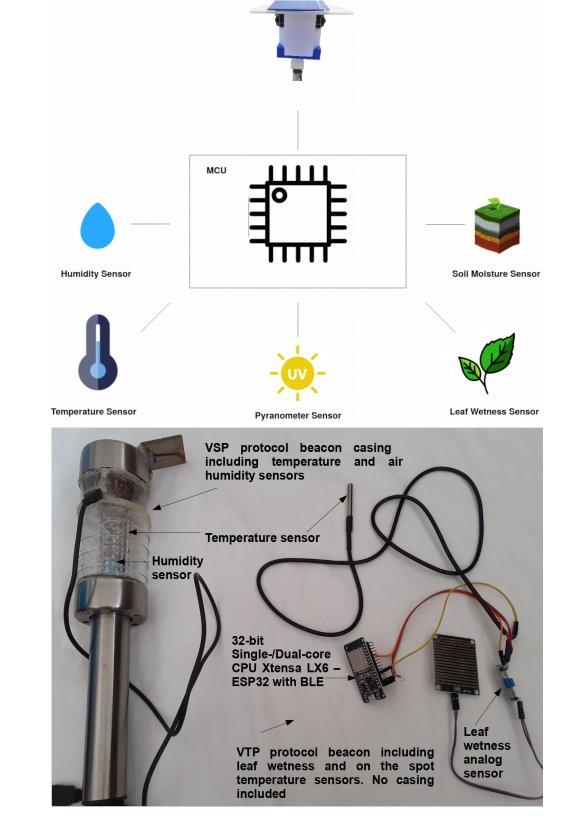
The Bluetooth iBeacon protocol is used to relay temperature, humidity, UV levels and soil moisture levels. The authors modified the standard iBeacon protocol, using the existing iBeacon minor and major fields to encode the telemetry data.

View Sensor Beacons

In-Vehicle Bluetooth Sensing

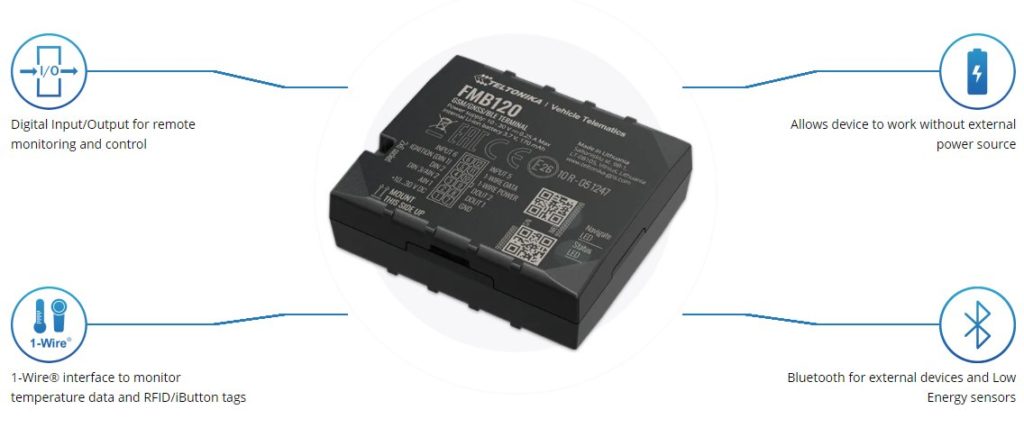
Teltonika have an innovative range of advanced vehicle trackers that include Bluetooth. The tracker can scan for other nearby Bluetooth devices and send sensor data to a server.

FMB120 Telematics Tracker

There’s a getting started guide that explains how this is setup and provides screens showing how it works.

This allows not just for sensing telematics about the vehicles themselves but also about other assets or people. For example, if people carry beacons it’s possible to know who is driving or is in a vehicle. If you tag equipment usually stored in a vehicle you can determine where it is or if it is about to be removed from a vehicle. For temperature sensitive goods, such as medicines, you can continuously audit temperature compliance. It’s also possible to provide for location specific triggering, for example, producing work orders when a vehicle reaches an exact point whether or not there’s GPS coverage.

Read more about sensor beacons

Farm Management with Bluetooth Sensors

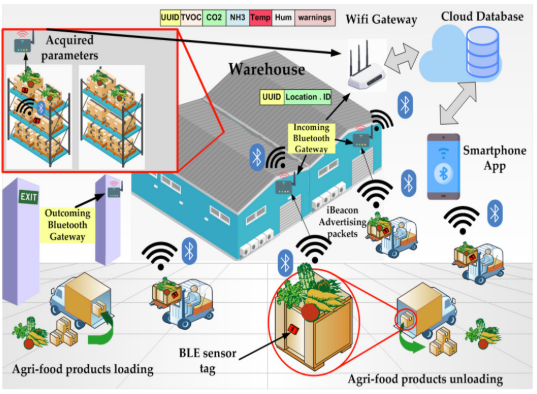
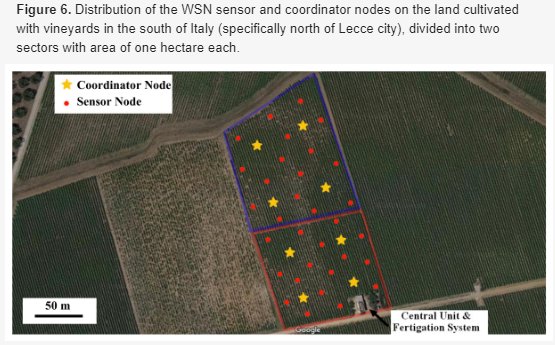
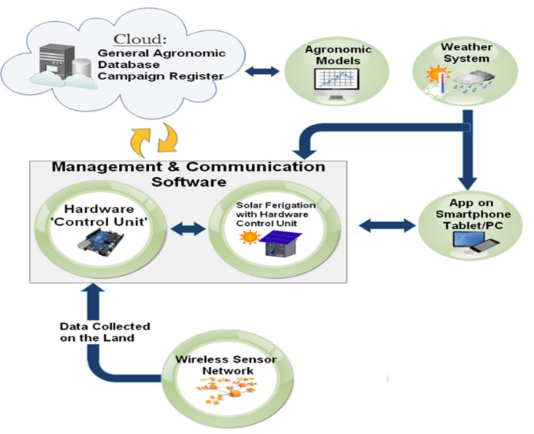
There’s new research by the Universities of Salento Italy and Panamericana Mexico on the Development of Sensors-Based Agri-Food Traceability System Remotely Managed by a Software Platform for Optimized Farm Management.

It demonstrates the use of IoT to revolutionise farming. A system was implemented to provide for:

  • Optimum water and fertiliser use
  • Better quality and yield of crops
  • Increased safety
  • Reduction in production costs
  • Reduction in negative impacts on the health and environment
  • Smart traceability

Sensors allow calibration of irrigation and fertilisation based on crop type, growth phase, soil and environmental conditions. The traceability allows monitoring of the movements of food products from the field, through storage to end consumers.

Bluetooth LE sensor tags are used for monitoring conditions during storage and transportation so as to assess freshness, integrity, as well as to provide for traceability.

The system enables enables management strategies that anticipate or delay crop collection, fine tuning the irrigation/fertilisation timing based on customers’ requests. This allows farmers to achieve economic benefits and reduce agri-food waste.

Read about Beacon Proximity and Sensing for the Internet of Things (IoT)

Bluetooth Gateways for AWS IoT Core, Azure IoT Hub and Google IoT Core

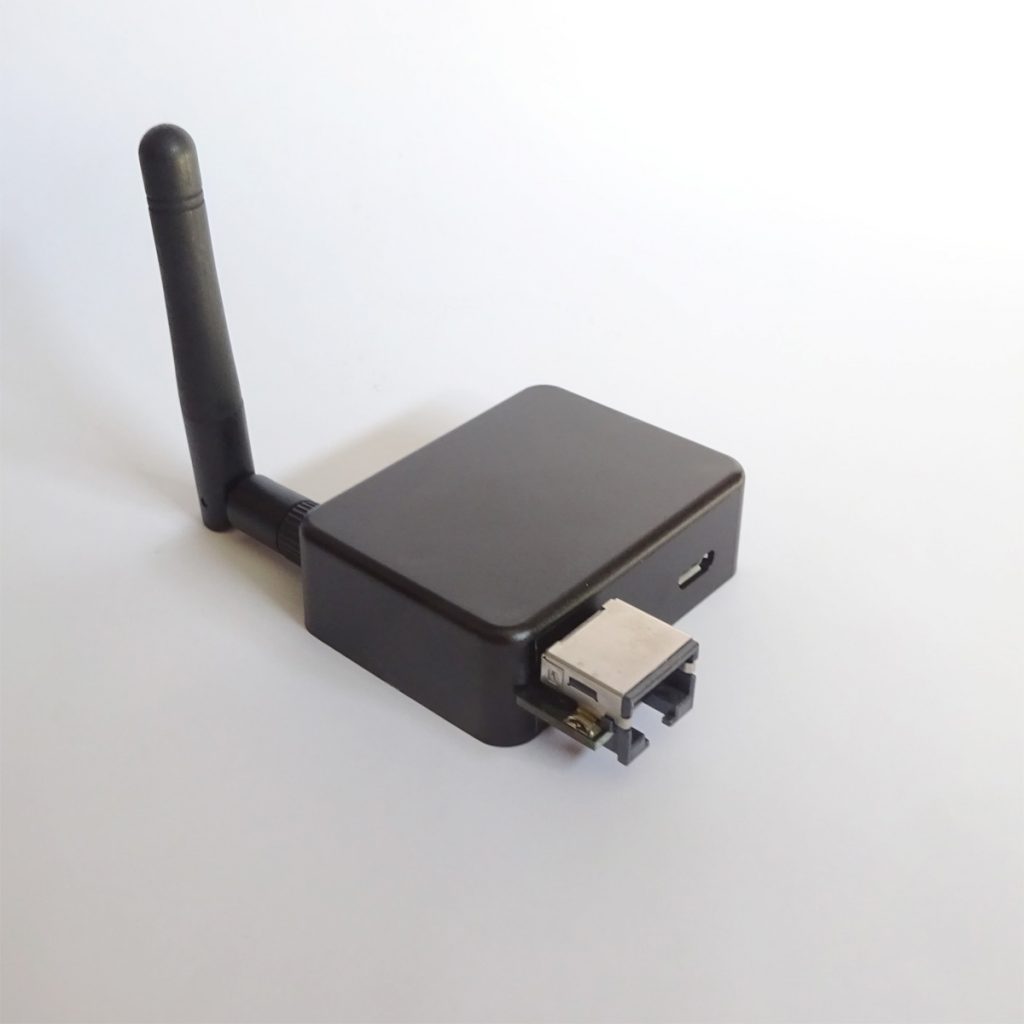
It never been easier to collect Bluetooth sensor information and store it in the cloud. The INGICS gateways come with step-by-step instructions how to set up AWS IoT Core, Azure IoT Hub and Google IoT Core.

Read more about Beacon Proximity and Sensing for the Internet of Things (IoT).

View Bluetooth Sensor Beacons

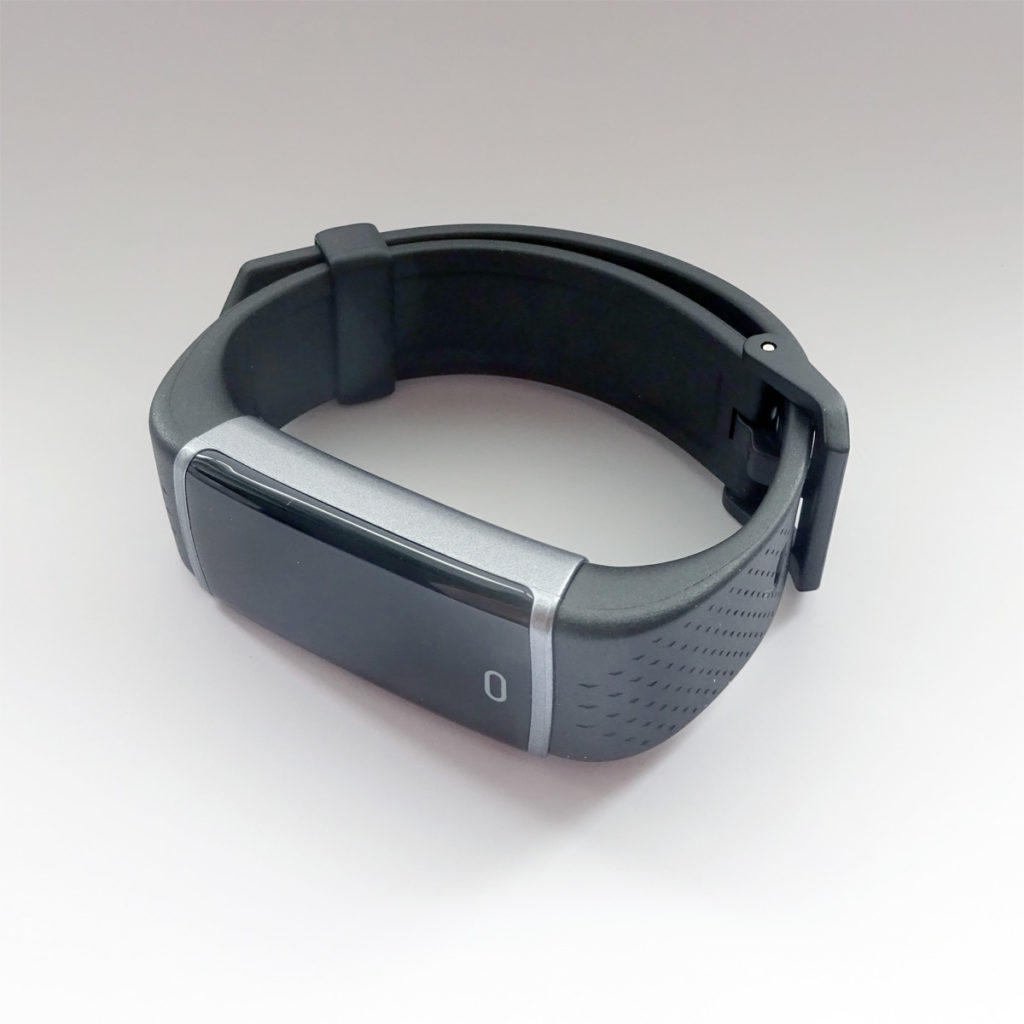
New W2-P5202D3 Wristband Beacon

We have the new W2-P5202D3 Wristband Beacon in stock.

It advertises iBeacon, Eddystone and acceleration. Rechargeable via USB. Supports always, button triggered (for SOS) and motion triggered advertising.

The app allows you to configure up to 6 advertising slots that can include iBeacon, Eddystone (UID, URL and TLM), acceleration and information (device name, MAC address, battery level).